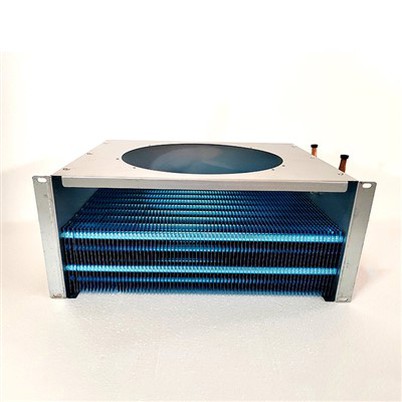


How to choose air-cooled aluminum tube fin evaporator
Leave a message
Performance parameter
Heat dissipation efficiency: The heat dissipation efficiency of finned evaporator is the key indicator for selection. Generally speaking, the larger the heat dissipation area and the more reasonable the fin design of the evaporator, the higher the heat dissipation efficiency. The heat dissipation area, fin spacing, fin thickness and other parameters of different products can be compared.
Refrigeration capacity: According to the use scenario and needs, select the evaporator with appropriate refrigeration capacity. Too much cooling capacity wastes energy, and too little can't meet demand.
Energy efficiency ratio: The energy efficiency ratio reflects the energy utilization efficiency of the evaporator. Choosing products with a high energy efficiency ratio can reduce energy consumption while ensuring the cooling effect.
Material and structure
Material: Aluminum tube fin evaporator is generally made of aluminum alloy, because aluminum alloy has good thermal conductivity and corrosion resistance. At the same time, the fin part should also be made of high-quality materials to ensure its heat dissipation effect and durability.
Structural design: Reasonable structural design can improve the heat dissipation efficiency and cooling capacity of the evaporator. For example, the connection between the fins and the aluminum tube, the arrangement of the fins, etc., will affect the performance of the evaporator.
After-sales service
After-sales service: Good after-sales service is an important factor to ensure the long-term stable operation of products. When choosing, you can understand the brand's after-sales service policy, service outlet distribution, response time and other information.
Other factors
Installation and maintenance: Consider the ease of installation and maintenance of the evaporator. Some products may have simpler installation steps and a design that is easier to maintain.
Cost-effectiveness: under the premise of meeting the performance requirements, comprehensive consideration of product price, energy consumption, maintenance costs and other factors, choose cost-effective products.