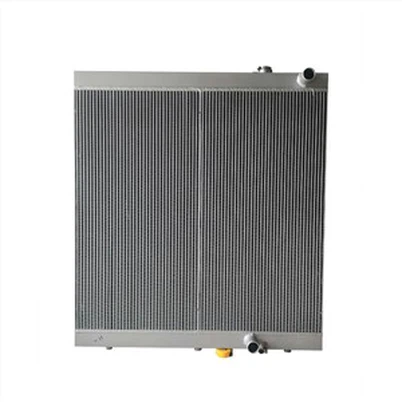


What are the types of evaporators and what are their functions?
Leave a message
Evaporator is a common heat transfer equipment, its common types include: direct evaporator, indirect evaporator, extractor and so on. Different types of evaporators also have their own characteristics in use, and can meet different production needs.
The direct evaporator is to vaporize the treated material directly on the heating surface, which can effectively use the heat source. In industrial applications, it is often used in the manufacture of agricultural and sideline products drying and crushing, as well as refining syrup. Indirect evaporators transfer heat to the treated material by conduction for evaporation. Since the treatment does not come into contact with the heating surface, the bonding and contamination of some treatments can be avoided. Extractors are mainly used in the field of biochemistry, which can separate the different components in the mixture.
The role of the evaporator is not only heat transfer, but also can complete many other functions, such as:
1. Concentration: evaporates the water in the solution, making it smaller in volume and higher in concentration to achieve the purpose of saving storage and transportation costs.
2. Rectification: Steam through the solution, the volatile components are taken out, and then cooled into a liquid by the condenser, so as to achieve the separation of components.
3. Drying: evaporates the water in the solid or liquid to achieve the purpose of drying.
Evaporators are widely used in many industries, such as chemical, food, pharmaceutical, metallurgy, light industry and so on. Through different evaporator types and corresponding operations, various thermodynamic problems can be solved, production efficiency and product quality can be improved, and the development of the industry can be promoted. Therefore, evaporators are an integral part of modern industry.