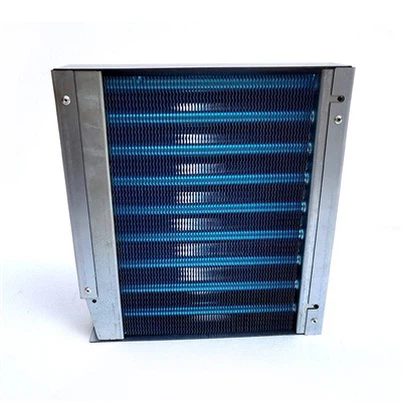


The structural component of the condenser
Leave a message
A condenser is a heat transfer device used to cool steam or gas and convert it into a liquid state. Its construction usually includes the following major parts:
Condensing pipe: The condenser contains a series of pipes or tubes for the gas or steam flowing through it. These pipes typically have a large surface area to increase heat exchange efficiency.
Outer shell: The outside of the condenser is usually surrounded by an outer shell, which supports and protects the pipe and connects the pipe and other equipment.
Cooling medium: The condenser usually uses an externally circulated cooling medium (such as water or air) to remove heat from the pipe, allowing the steam or gas to cool and condense into a liquid.
Inlet and outlet: There are inlet and outlet on the condenser for introducing steam or gas and discharging the condensed liquid.
Valves and instruments: Control valves, pressure gauges, thermometers and other instruments are usually installed on the condenser to monitor and regulate the condensing process.
The specific structure and design of the condenser depends on the application scenario, the working medium and the required cooling effect. Different types of condensers, such as shell and tube condensers, air cooled condensers, plate condensers, etc., may have different structures.