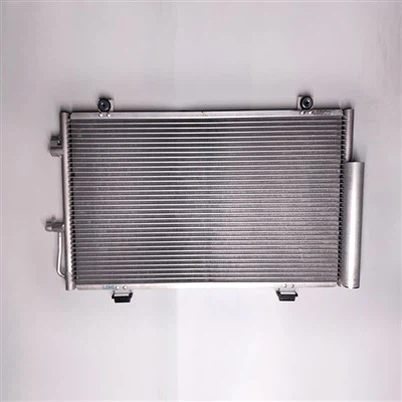


Air cooled evaporator heating factor
Leave a message
factor
Environmental factor
High temperature weather: In a high temperature environment, the surface temperature of the evaporator is easy to rise, resulting in overheating of the evaporator. At this time, shading measures can be taken, such as the use of sun shields, to reduce its surface temperature.
Excessive humidity: In a humid environment, the surface of the evaporator may be covered by water vapor, resulting in reduced heat dissipation efficiency, and then cause overheating. At this time, it is necessary to regularly check and clean the surface of the evaporator to ensure that it is dry.
Equipment factor
Long-term operation: The continuous operation of the evaporator for a long time, especially in the state of high load, will cause its internal temperature to rise. In order to alleviate this situation, appropriate working intervals can be set to allow the evaporator to get sufficient rest and cooling.
Insufficient cleanliness: If the surface of the evaporator is not cleaned for a long time, dust and dirt will accumulate, forming an obstacle to prevent heat dissipation and increase the temperature of the evaporator. Therefore, it is necessary to regularly clean and maintain the evaporator to ensure its heat dissipation efficiency.
Fan failure: The fan in the evaporator plays an important role in heat dissipation. If the fan works improperly or is damaged, the evaporator temperature will rise. In this case, check the fan running status and repair or replace the fan as required.
System factor
Insufficient refrigerant: Refrigerant is the key to achieve the cooling effect of the evaporator. If the refrigerant is insufficient, the evaporator will not be able to effectively absorb heat and reduce the temperature, but will cause its internal temperature to rise. Therefore, it is necessary to check the amount of refrigerant regularly and replenish it if necessary.
System pressure imbalance: The imbalance of the internal pressure of the evaporator may also cause its operating temperature to be too high. This may be due to the failure or improper adjustment of other components within the system, such as compressors, expansion valves, etc. At this time, it is necessary to comprehensively check the system pressure and adjust or maintain it as needed.