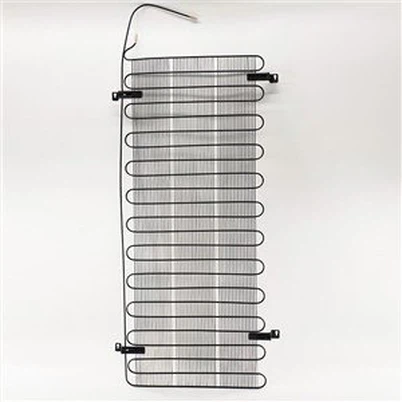


The Effect Of Defrosting On The Working Of The Evaporator
Leave a message
1. The effect of frost on the refrigeration system
When the refrigeration system of the cold storage is in normal operation, the surface temperature of the evaporator is much lower than the dew point temperature of the air, and the moisture in the food and the air will be precipitated and condensed on the tube wall. If the temperature of the pipe wall is lower than 0°, the water dew will condense into frost. Frosting is also a result of the normal operation of the refrigeration system, so a small amount of frost is allowed on the evaporator surface. Since the thermal conductivity of the frost is too small, it is one percent, or even a few percent, of the metal, so the frost layer forms a large thermal resistance. Especially when the frost layer is thick, it is like heat preservation, so that the cold energy in the evaporator is not easily released, which affects the cooling effect of the evaporator and makes the cold storage unable to reach the required temperature. At the same time, the evaporation of the refrigerant in the evaporator should also be weakened, and the incompletely evaporated ammonia liquid may be inhaled by the compressor and cause a liquid shock accident.
2. The impact of defrosting on the local environment
There are many methods of defrosting, such as manual frosting, refrigerant hot melting, water defrosting, electric defrosting, etc. For smaller refrigeration systems, manual defrost and electric defrost can be used, but should be done when the system is out of service. For larger refrigeration systems, refrigerant hot and water defrost should be used. Due to the heat source of the exhaust-type hot-melt frost of the compressor, the hot-melt frost of the refrigerant should be carried out under the operating conditions of the refrigeration system. It seems that no matter which defrosting method is used, it will affect the temperature of the cold storage, especially the refrigerant hot-melting frost, because it needs to be carried out in separate warehouses, that is, some warehouses are not cooled, while another part of the warehouse is defrosted, and the defrosting time is longer. If the temperature of the warehouse fluctuates too much, it will affect the quality of the food in the warehouse, especially the quality of the fresh food. The thawed frost should be cleaned in time, otherwise it will cause freezing of the warehouse floor.