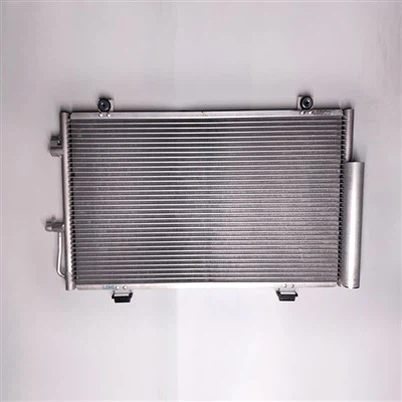


Is there a big difference between single and double rows of air conditioning condensers?
Leave a message
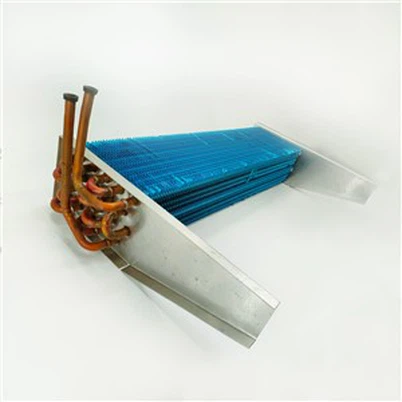
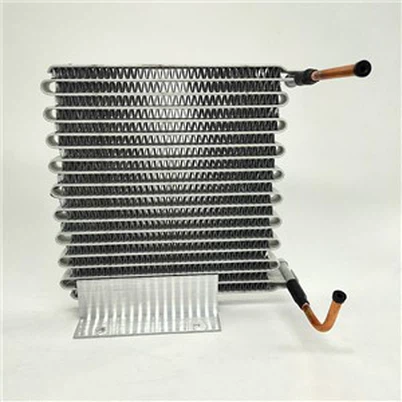
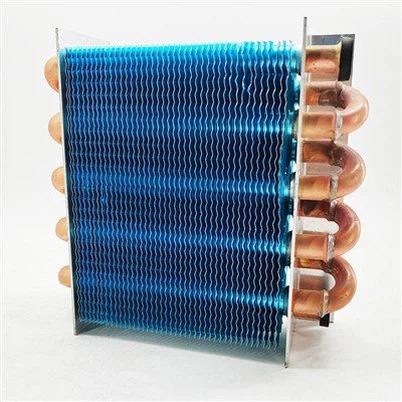
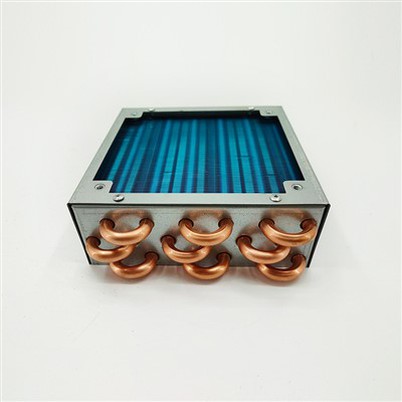
The condenser is a component of air conditioning and air heat exchange, which is composed of copper tubes + aluminum fins. The copper tubes of the condenser are basically divided into three categories: double row, one row and a half, and single row.
There are two cases:
If it is a single row + high-power motor (54WJnsm), there is little difference between a single row and a double row of condensers, and the same cooling and heating effect can be achieved in terms of air conditioning energy efficiency
If it is a small power motor, the difference is very big, and the number of copper tube rows configured with double rows of cold doubters is more, which means the greater the heat exchange, commonly known as refrigeration and heating, the better the effect. The effect of a single row is poor, and the experience is poor.
Single Row vs Double Row Condenser: Key Differences
| Item | Single Row Condenser | Double Row Condenser |
|---|---|---|
| Heat Transfer Area | Smaller | Larger |
| Cooling Capacity | Lower | Higher |
| Heating Performance | Lower | Higher |
| Refrigerant Charge | Less | More |
| Initial Cost | Lower | Higher |
| Energy Efficiency | Moderate | Better |
| Suitable Climate | Mild | Hot Regions |
How to Choose the Right Condenser Design
Single Row Is Suitable For
Residential split AC units
Compact refrigeration equipment
Cost-sensitive projects
Double Row Is Suitable For
Commercial refrigeration systems
Cold rooms
Hot climate regions
High-capacity HVAC applications


Why does the number of rows matter?
More tube rows = larger heat exchange surface
Larger surface = better heat rejection capacity
Better heat rejection = lower condensing pressure
This means the compressor can operate more efficiently and consume less energy under the same cooling load.
However, this does not always mean "more rows is better". The actual performance depends on several factors:
1.Fan motor power and airflow volume
2.Fin spacing and fin design
3.Refrigerant type and system pressure
4.Ambient temperature conditions
5.Compressor capacity matching
Engineering insight (important for customers)
In real HVAC design:
A single-row condenser is often used in compact systems where space, cost, and airflow resistance are key considerations.
A double-row condenser is typically used in commercial or high-load systems where heat rejection performance is more critical than size or cost.
That is why selecting the correct condenser structure is not only a mechanical decision, but also a system efficiency optimization problem.