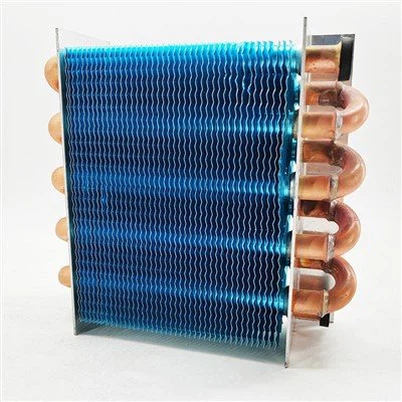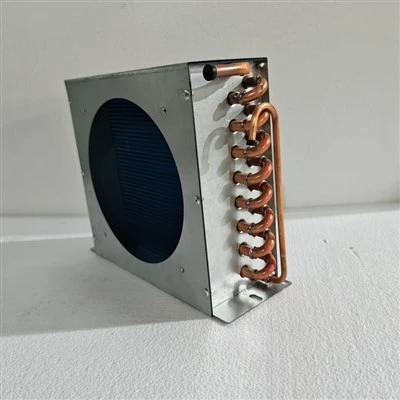


Evaporator condenser fin coating
Leave a message
coating
Action of coating
Improve heat transfer efficiency: By optimizing coating materials, such as materials with high thermal conductivity, the heat transfer efficiency of the fins can be significantly improved.
Enhanced corrosion resistance and aging resistance: Coating the surface of the fin with corrosion and aging resistant coating materials can effectively prevent the fin from being damaged by corrosion or aging and extend the service life of the equipment.
Anti-dust and self-cleaning: Some coating materials have low wind resistance and self-cleaning characteristics, which can prevent dust accumulation on the surface of the fin and maintain the clean state of the fin, thereby improving the heat transfer efficiency.
Common coating materials
Hydrophilic coating: Hydrophilic coating can inhibit the water bridge phenomenon under high humidity conditions, so that water droplets flow along the fin, reduce wind resistance, and improve the effective heat transfer area and heat transfer performance. At the same time, the hydrophilic coating also has a certain cleaning function.
Corrosion resistant coating: Corrosion resistant coating, such as epoxy acrylic acid, can effectively prevent the fins from being damaged by corrosion and improve the corrosion resistance of the fins.
Graphene coating: Because of its excellent lamellar structure and thermal conductivity, graphene is widely used in the coating of evaporator condenser fins.